 Top Rated
Cities
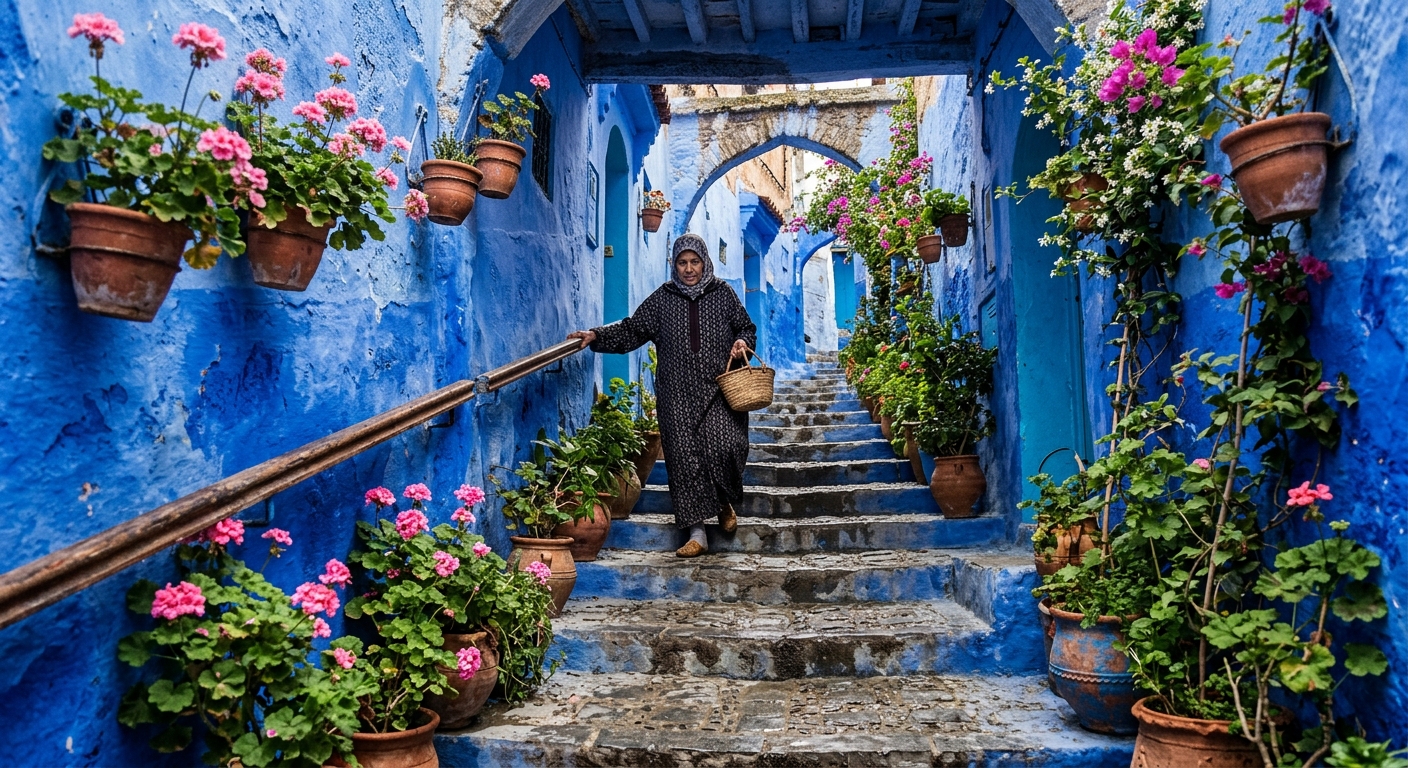
Chefchaouen Blue City Tour — 2 Days
Chefchaouen, Morocco
2 DaysEasy
5.0(312 reviews)
$159/ per person

Living Medieval City
Fes is, without question, the most intellectually intoxicating city in Morocco — and arguably in the entire Arab world. Founded in 789 CE by Moulay Idris I, it is one of the oldest continuously inhabited cities on Earth, and its medina, Fes el-Bali, is the world's largest living medieval urban centre: a square kilometre of medieval streets, madrasas, mosques, workshops and souks that has remained essentially unchanged in plan and purpose since the ninth century. The University of Al-Qarawiyyin, established in 859 CE, is recognised by UNESCO as the oldest continuously operating university in the world. In Fes, history is not a performance put on for tourists — it simply never stopped.
The scale and complexity of Fes el-Bali is overwhelming by design. The medina contains over 9,000 lanes, many so narrow that two fully laden donkeys cannot pass simultaneously, and the city's famous faux guide problem exists precisely because genuine disorientation is built into the urban fabric. This is not a city that reveals itself quickly or willingly; its rewards accumulate with patience, return visits and the guidance of someone who knows which carved wooden door opens onto a twelfth-century medersa courtyard and which leads to a dead end. The Bou Inania Madrasa and the Al-Attarine Madrasa are the finest examples of Marinid-era Islamic architecture in Morocco, their tilework, carved cedar and stucco reaching a complexity and refinement that was never surpassed.
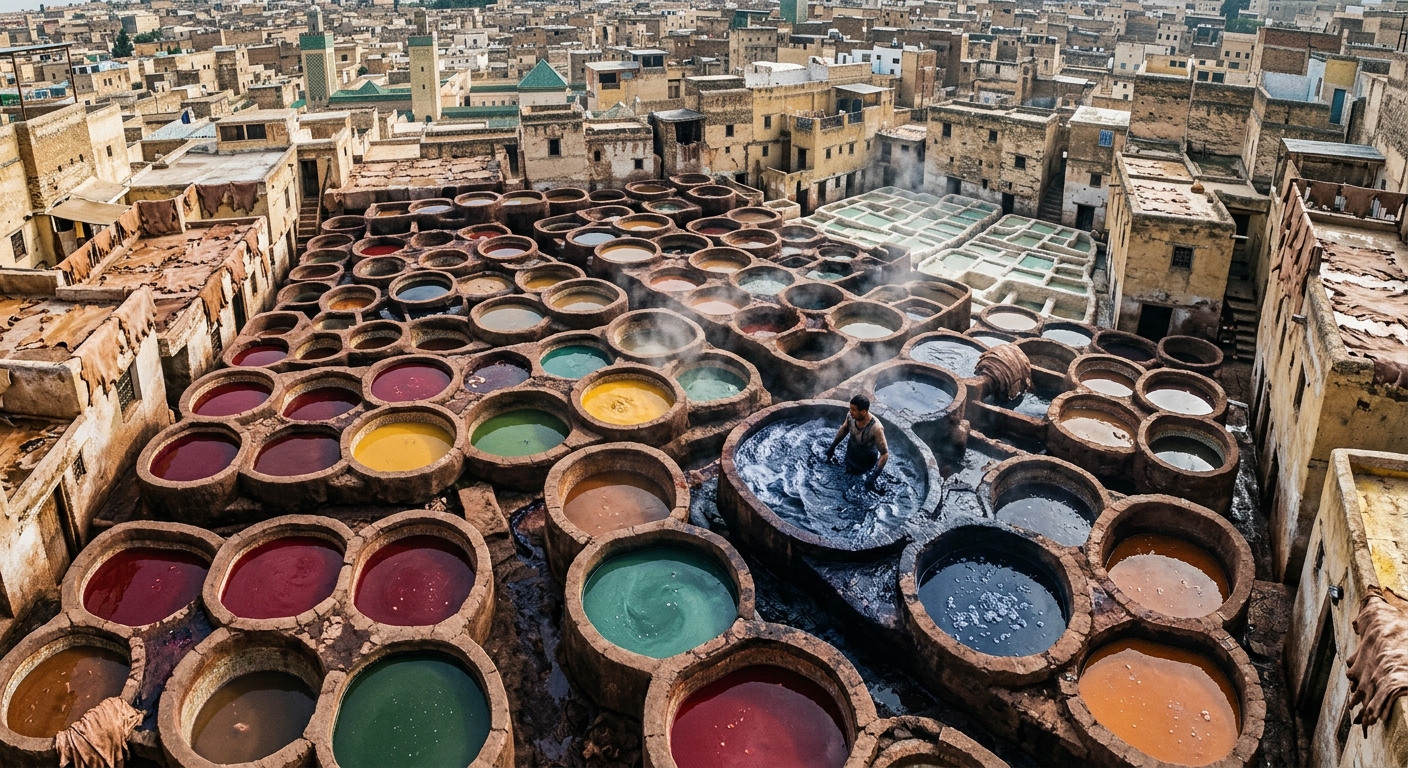
The crafts of Fes are equally extraordinary. The ancient tanneries of Chouara — where leather hides have been cured and dyed in stone vats using methods unchanged since the eleventh century — are the city's most famous sight and one of the most viscerally memorable in Africa. Buying a handmade leather bag or hand-painted ceramic tile in Fes carries a weight of authenticity that no factory-produced souvenir can approach.
The Fes el-Jdid quarter, built alongside the original medina in the thirteenth century as the Marinid royal enclosure, and the Mellah — the old Jewish quarter — add further historical layers to the city. The Ville Nouvelle provides the bars, restaurants and wide boulevards that allow the mind to rest after the intense immersion of the medina. Together, these layers make Fes the most richly documented city in Morocco — and the one that most generously rewards those prepared to look beyond the surface.
Summer Temp
36°C
Winter Temp
8°C
Airport
Fes-Saïss Airport (FEZ)
Languages
Arabic, French, Tamazight
Currency
Moroccan Dirham (MAD)
Timezone
GMT+1 (WET/WEST)
Best Time to Visit
The experiences and landmarks that define Fes as a destination.
The world's largest living medieval urban centre and a UNESCO World Heritage Site — 9,000 lanes, ancient mosques and active craftsmen's quarters unchanged since the Marinid era.
The ancient leather tanneries of Fes, where hides are dyed in stone vats using the same plant-based methods employed since the eleventh century, remain one of Africa's most extraordinary living industrial sites.
Founded in 859 CE, it is recognised by UNESCO as the world's oldest continuously operating university — a living testament to the intellectual primacy of medieval Fes.
A fourteenth-century Quranic school whose courtyard represents the absolute pinnacle of Moroccan decorative arts — zellige tilework, carved cedar and stucco of almost supernatural complexity.
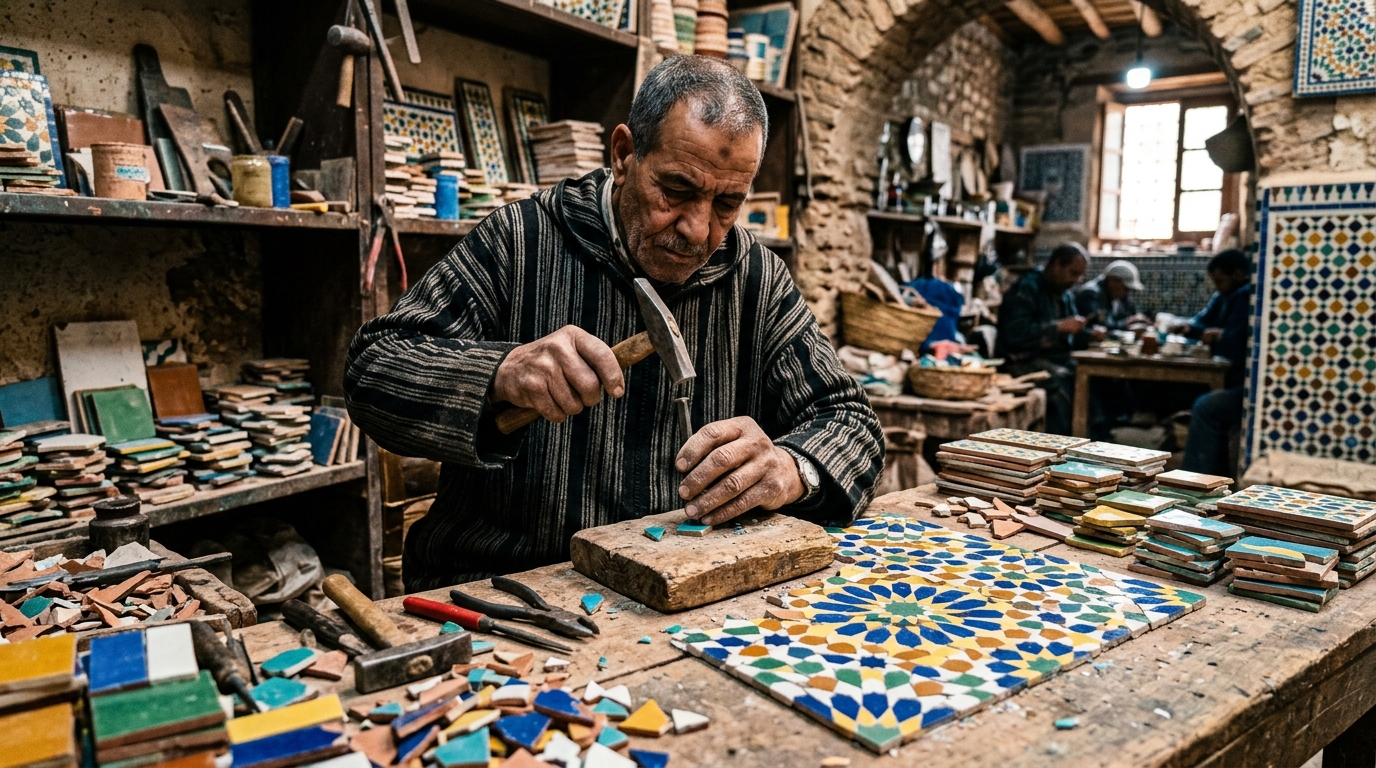
Fes is Morocco's artisan capital, with active workshops producing hand-woven silk fabrics, painted ceramics, embossed silverware and hand-tooled leather for over a millennium.
The hilltop ruins of the Marinid royal tombs offer the most complete panoramic view of Fes el-Bali, particularly magical at dusk when the call to prayer rises from hundreds of minarets simultaneously.
A comprehensive guided tour of Fes el-Bali covering the Chouara tanneries, Bou Inania Madrasa, Al-Qarawiyyin quarter, the dyers' souks and a private artisan workshop visit — the most thorough introduction to Morocco's medieval capital.
Spend a morning learning the fundamentals of Fassi tilework with a master zellige craftsman, creating your own geometric pattern to take home — a genuinely memorable hands-on introduction to Morocco's greatest craft tradition.
Explore the street-food culture of Fes after dark — pastilla, harira, fried sardines, honey-drenched chebakia and fresh-pressed juices — with a local guide who knows every stall worth stopping at.
A full-day excursion from Fes north to the blue-painted medina of Chefchaouen through the cedar forests of the Middle Atlas — one of Morocco's great scenic drives.
Top RatedChefchaouen, Morocco
 Cultural
Engage a certified medina guide from the tourist office near Bab Bou Jeloud for your first day — the medina is genuinely disorienting and a good guide will save hours of frustrated circling.
The tannery views are best seen from the leather shop balconies above Chouara — shops provide a sprig of mint to hold under your nose against the smell, which is authentic and considerable.
Visit the Al-Attarine spice market on a weekday morning when the stalls are freshest and the merchants most willing to explain what they sell and how it is used.
The Merenid Tombs at sunset are free to visit and offer the finest panoramic view of the medina — arrive 30 minutes before sunset to claim a good position.
Fes restaurants in the Ville Nouvelle are generally better value for dinner than medina riads — save the riad experience for lunch, when the atmospheric courtyard settings justify the premium.
Bargaining in the Fes souks follows different rules to Marrakech — opening prices are often closer to the final price and vendors respond better to appreciation than aggressive counter-offers.
Fes-Saiss Airport (FEZ) receives direct flights from London Stansted, Paris Orly, Amsterdam, Brussels and a growing number of European destinations. The airport is located 15 kilometres south of the city; grand taxis to the medina cost approximately 150-200 MAD and take around 30 minutes. Fes is also well connected by train from Casablanca (3.5 hours) and Marrakech (approximately 7 hours, with a change). The ONCF rail network is the most comfortable overland option for inter-city travel. CTM and Supratours buses also serve Fes from all major Moroccan cities.
Nearest Airport
Fes-Saïss Airport (FEZ)
Your Adventure Awaits
Our Morocco specialists will craft the perfect itinerary for your timeframe and budget.


