 Top Rated
Cities
Chefchaouen Blue City Tour — 2 Days
Chefchaouen, Morocco
2 DaysEasy
5.0(312 reviews)
$159/ per person

The Blue Pearl
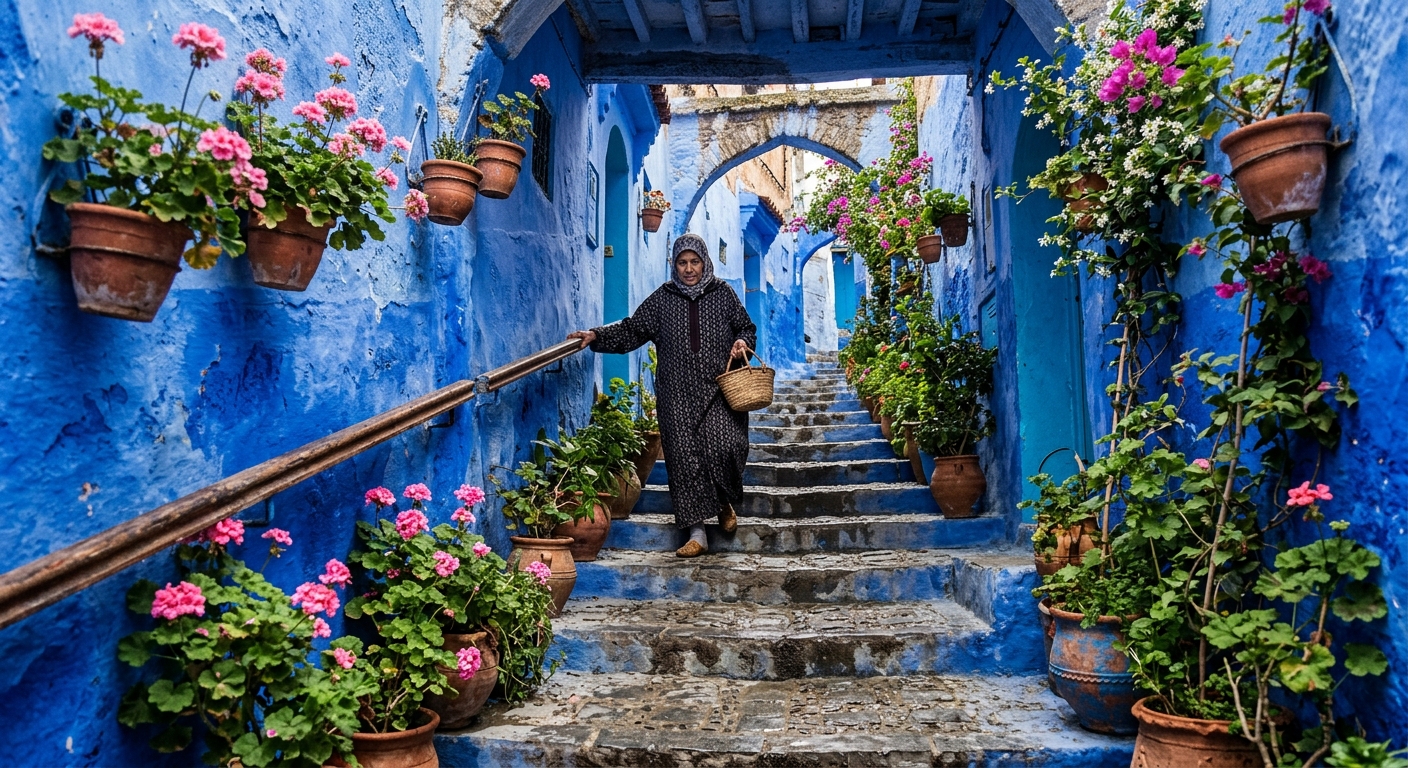
Chefchaouen is a city that seems to have been dreamed rather than built. Tucked into a fold of the Rif Mountains in northern Morocco, its medina is a total-immersion world of blues — every wall, staircase, doorway and flowerpot washed in a spectrum of indigo, cobalt, sky and powder, creating an aesthetic so unified and so otherworldly that first-time visitors frequently find themselves stopping mid-step, phone forgotten in pocket, simply staring. No other city in the world looks quite like Chefchaouen, and no photograph fully prepares you for the reality of being inside it.
The history behind the blue paint is layered and contested. The town was founded in 1471 by Moulay Ali Ben Moussa Ben Rachid El Alami as a base from which to resist Portuguese incursions into northern Morocco. In the early twentieth century, Jewish refugees fleeing persecution brought their own tradition of painting walls blue — a colour associated in Jewish mysticism with divinity and the sky — and the practice gradually spread until it became the defining identity of the entire medina. The town remained almost entirely closed to non-Muslims until the Spanish arrived in 1920, and its isolation preserved a culture of extraordinary authenticity: an Andalusian-Amazigh fusion expressed in architecture, music, textiles and cuisine that has no precise parallel elsewhere in Morocco.
The medina of Chefchaouen is compact enough to be thoroughly explored on foot in a day, but rewards slower, more attentive walking across several days. The central square of Uta el-Hammam, shaded by old trees and flanked by cafes and the sixteenth-century grand mosque, is the social heart of the city and the ideal place to orient yourself. From here, the lanes spiral outward and upward in a maze of arched passages, steep steps and unexpected plazas where cats sleep in doorways and geraniums cascade down walls in great splashes of red against the blue.
Above the medina, the cedar forests of the Rif Mountains are home to Barbary macaques — the only wild primate found in Africa north of the Sahara — and a network of hiking trails that offer panoramic views back over the blue city. The Spanish Mosque on the ridge above the town provides the most celebrated viewpoint of all, a 30-minute climb rewarded with a vista of the entire medina cupped in its mountain bowl, the minarets rising through the blue haze like exclamation marks in a language of stone and sky.
Summer Temp
28°C
Winter Temp
8°C
Airport
Tangier Ibn Battouta Airport (TNG)
Languages
Arabic, Tarifit, Spanish, French
Currency
Moroccan Dirham (MAD)
Timezone
GMT+1 (WET/WEST)
Best Time to Visit
The experiences and landmarks that define Chefchaouen as a destination.
Every alley, staircase and doorway painted in a unique shade of blue — a total-immersion aesthetic experience unlike any other city in the world.
The restored fifteenth-century fortress at the heart of the medina houses a compelling collection of Rif art, local musical instruments and Andalusian artefacts.
A short walk above the medina leads to a cool mountain stream and waterfall where local women traditionally do their laundry — a serene, unhurried scene.
The cedar forests above Chefchaouen shelter wild Barbary macaques and offer rewarding trails with panoramic views of the blue city below.
Chefchaouen is known for its distinctive wool blankets, woven in geometric Berber patterns, and for its hand-thrown pottery glazed in earthy mountain tones.
As the evening light turns the blue walls gold and the mosques call across the mountain air, the rooftop terraces of the medina offer one of Morocco's most iconic views.
Explore the photogenic lanes and hidden squares of the medina with a knowledgeable local guide who explains the history behind the famous blue paint and introduces you to traditional craftspeople at work.
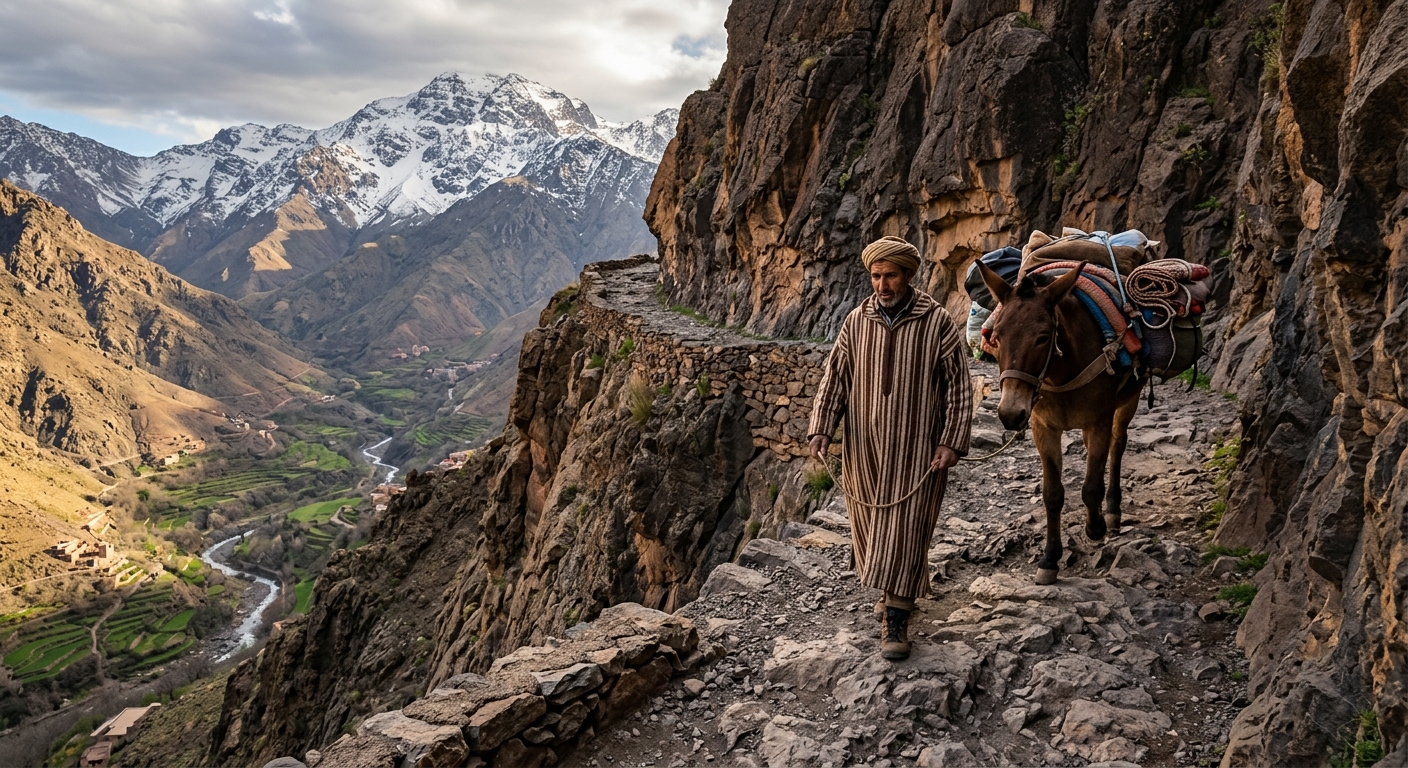
Hike through the cedar forests above Chefchaouen in search of Barbary macaques, with a naturalist guide who explains the delicate ecosystem of the Rif Mountains.
Spend a morning or evening with a professional photographer learning to capture the city's unique light, colour contrasts and candid street scenes in the golden hours.
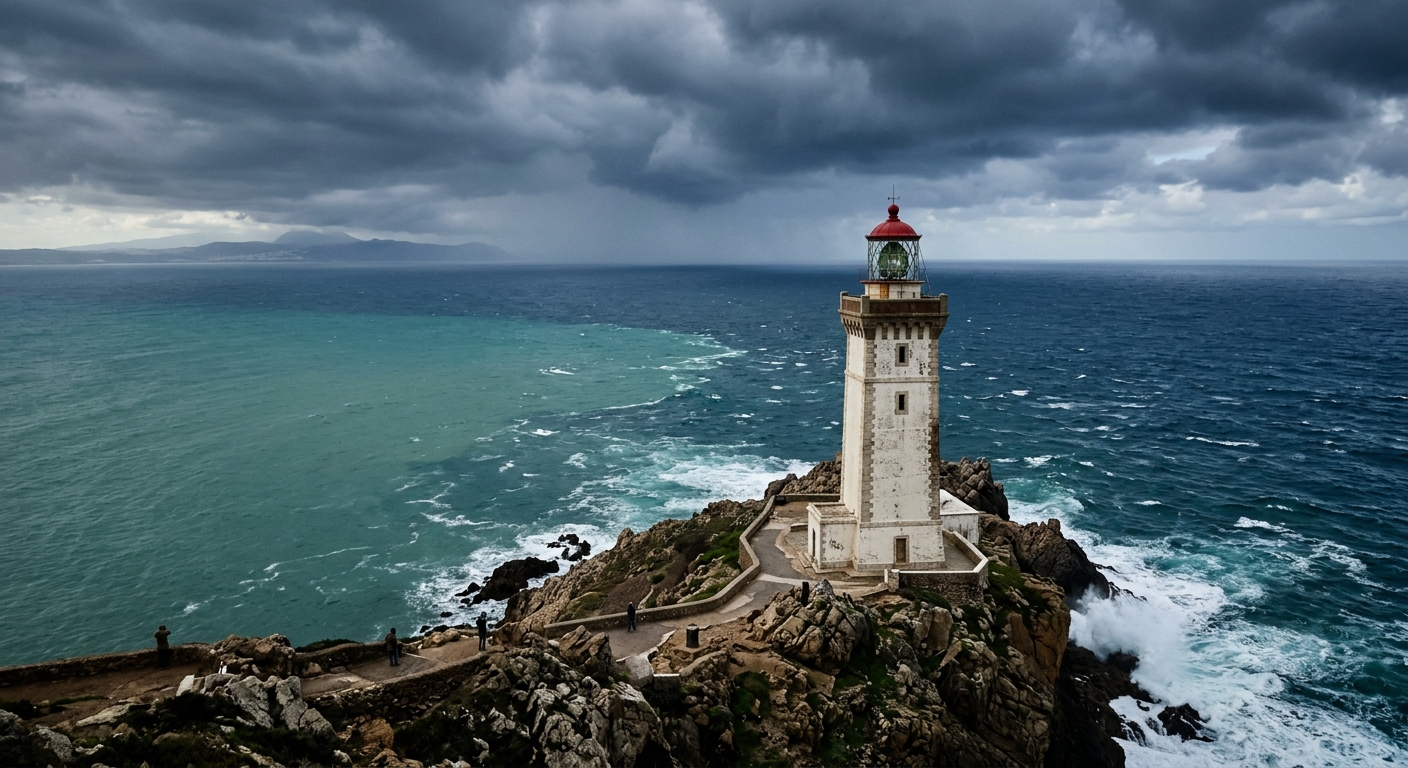
A two-day tour combining the cosmopolitan port of Tangier — with its Kasbah Museum and Cafe Hafa — and the ethereal blue medina of Chefchaouen, with overnight accommodation included.
Top RatedChefchaouen, Morocco
 Gateway to Africa
Tangier, Morocco
The most photogenic light falls on the blue walls in the early morning (before 9am) and in the last hour before sunset — midday light is too harsh and the lanes too crowded.
Chefchaouen is significantly cooler than Marrakech or the coast — pack a layer or a light jacket even in summer as the mountain evenings turn chilly quickly.
The city is more relaxed than Marrakech and faux guides are less aggressive, but a genuine medina guide adds real depth to the experience — ask your riad to recommend one.
Try the local goat's cheese (fromage de chevre) in the morning market near Uta el-Hammam — it is unique to the Rif region and unlike anything else in Moroccan cuisine.
Visit the Spanish Mosque on the hill above the city for a panoramic view over the entire blue medina — the walk up takes about 30 minutes from Bab el-Ain.
Accommodation books out quickly in spring and autumn — reserve your riad at least a week in advance during peak season.
Chefchaouen has no commercial airport; the most convenient gateway is Tangier Ibn Battouta Airport (TNG), which receives direct flights from London, Paris, Madrid and other European cities. From Tangier, the journey to Chefchaouen takes approximately 3 hours by private transfer or CTM bus through the Rif Mountains on a dramatically scenic mountain road. Alternatively, Fes airport is around 3.5 hours to the south-east, making it possible to combine Chefchaouen with Fes on a northern Morocco circuit. From Casablanca the drive takes around 5 hours. CTM and Supratours buses connect Chefchaouen to most major Moroccan cities, and shared grand taxis are widely available in neighbouring towns.
Nearest Airport
Tangier Ibn Battouta Airport (TNG)
Your Adventure Awaits
Our Morocco specialists will craft the perfect itinerary for your timeframe and budget.


