Nestled in the Rif Mountains, Chefchaouen's iconic blue medina is only the beginning. Discover why Morocco's most photogenic city rewards every traveller who makes the journey.
The Blue City Is More Than an Instagram Photo
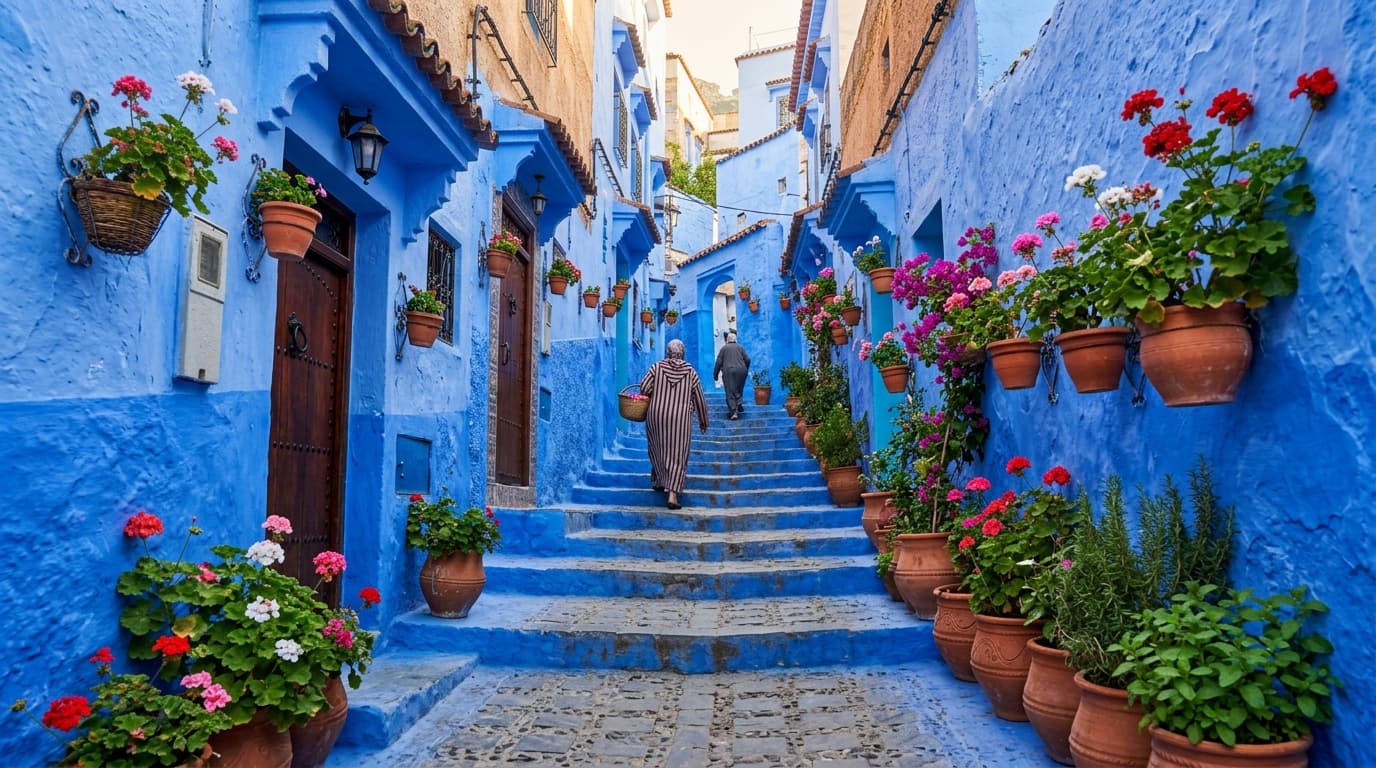
Chefchaouen earns its nickname 'The Blue Pearl' but its reputation has, if anything, undersold it. Yes, the whitewashed walls washed in shades of indigo, cobalt and powder blue are genuinely stunning — but the city has a soul that photographs cannot capture. Founded in 1471 by Moulay Ali Ben Moussa Ben Rached El Alami as a small fortress, the medina has kept an intimacy that the larger imperial cities have long lost. Narrow lanes run uphill, spill into shaded squares and double back on themselves in ways that feel designed to slow you down. That is the point. Chefchaouen rewards the wanderer who puts the camera away and simply walks.
Why 2025 Is the Right Year to Go
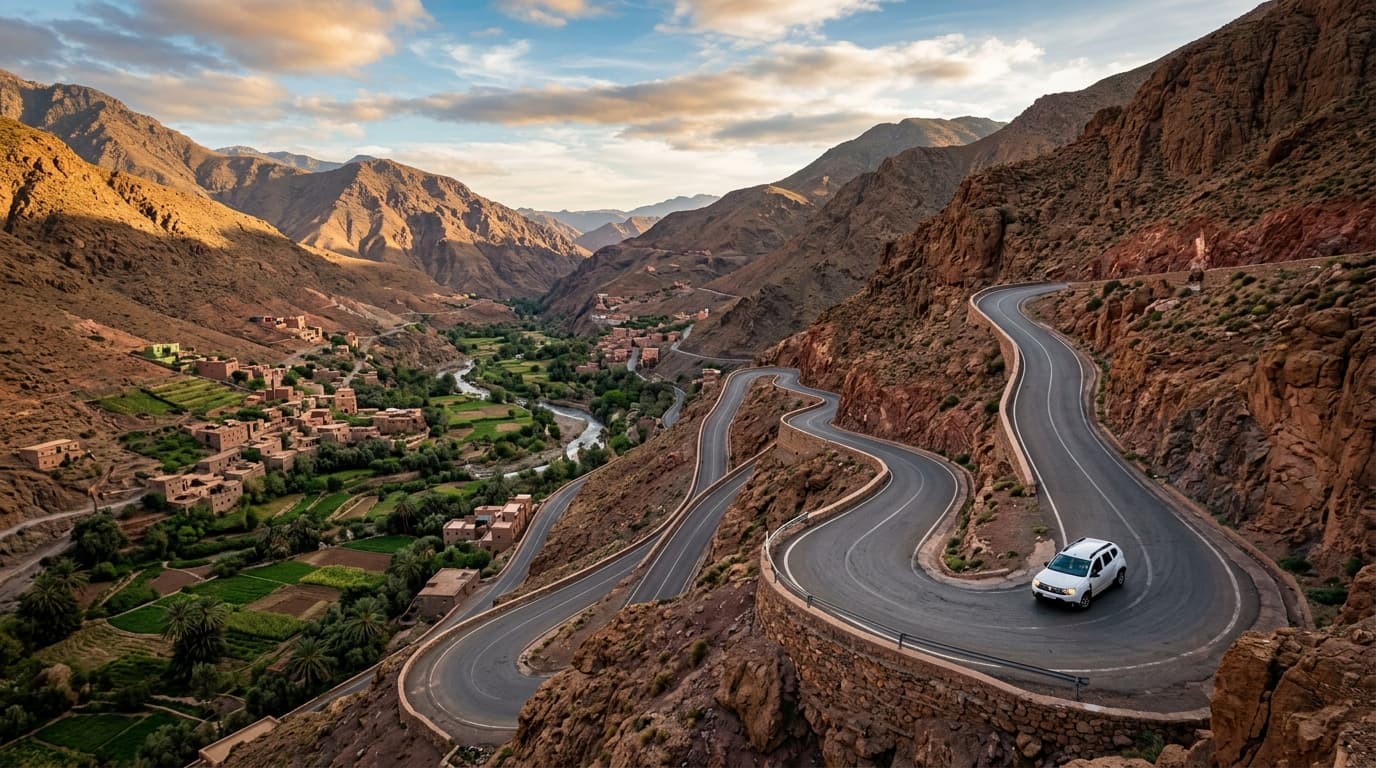
A new road completed in late 2024 has shaved the drive from Fez to roughly two hours and from Tangier to just over an hour, making Chefchaouen easier to reach without a private transfer. At the same time, visitor numbers are still well below the peaks of Marrakech and Fez, which means riads remain affordable and the morning hours in the medina — before tour groups arrive from the coast — feel genuinely peaceful. The local authority has also invested in signposted hiking trails around the city, connecting the medina to the Spanish Mosque, the Akchour waterfalls and the Talassemtane National Park, giving travellers a reason to stay three nights rather than one.
Chefchaouen at a Glance
1471
Year Founded
600m
Altitude
2 hrs
From Fez
45,000
Population
3 nights
Recommended Stay
The Rif Mountains and Akchour Waterfalls
The countryside surrounding Chefchaouen is among the most underrated scenery in all of Morocco. The Talassemtane National Park begins almost at the city walls and shelters Spanish firs, Barbary macaques and golden eagles. The trail to Akchour waterfalls — about 10 km outside the city — follows the Oued Farda river through a limestone gorge before arriving at a series of cascades that pool into clear green water. The full loop to the God's Bridge natural arch takes around five hours and is manageable for anyone in reasonable fitness. A local guide is recommended, both for navigation and to support the community of Rifian mountain guides who know every shortcut.
The Rif Mountains changed the way I see Morocco entirely. I came for the blue walls and stayed for the silence, the cedar forests, and a lamb cooked over charcoal by a family I only just met.
Food That Surprises
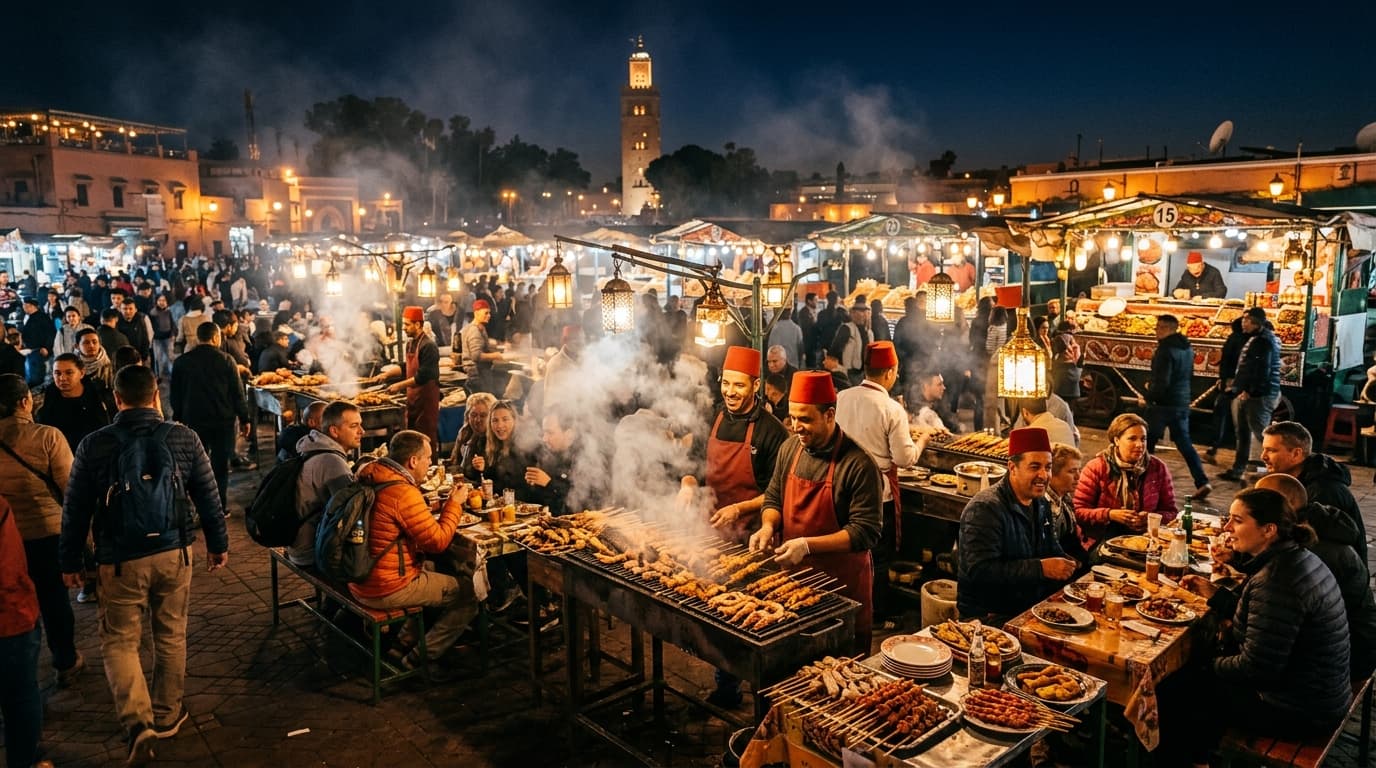
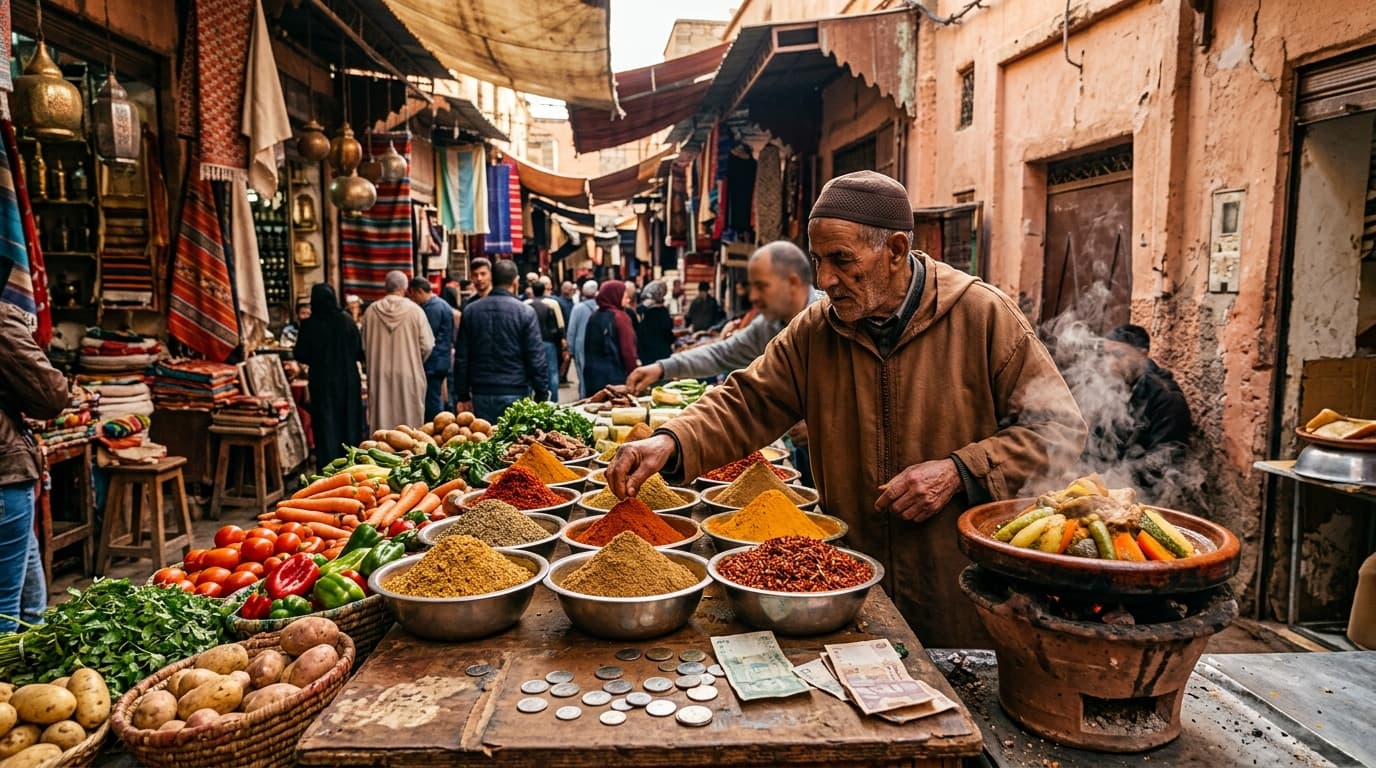
Rif Mountain cuisine differs noticeably from the tagines of the south. In Chefchaouen you will find dishes built on local herbs, goat's cheese produced by cooperatives in the surrounding hills, and a distinctive lamb preparation cooked in a clay pot with olives and preserved lemon. The weekly market held on Mondays and Thursdays in the lower town draws farmers from across the Rif and is an excellent place to buy dried herbs, fresh honey and the artisanal goat's cheese known as jben. For sit-down meals, the restaurants around Plaza Uta el-Hammam serve solid traditional food; for something quieter, the terraces above the medina offer mountain views alongside mint tea.
What to Eat in Chefchaouen
- Jben — fresh artisanal goat's cheese from Rif Mountain cooperatives
- Lamb clay-pot with olives and preserved lemon, slow-cooked over charcoal
- Bissara — fava bean soup served with argan oil and cumin, a Rif staple
- Honey from wild thyme and lavender, sold at the Monday/Thursday market
- Mint tea brewed in traditional Moroccan style — sweetened, poured high to foam
- Kefta brochettes grilled over charcoal in the Plaza Uta el-Hammam stalls
Crafts Worth Buying
Chefchaouen has a weaving tradition that predates the Portuguese influence in northern Morocco. The city's weavers produce a flat-woven textile called hanbel — thick, striped blankets in natural undyed wool and vivid dyed colours — that you will not find at the same quality anywhere else in Morocco. Several cooperatives near the Kasbah sell directly and welcome visitors to watch weavers at work on traditional looms. Prices are honest by Moroccan standards because the tourist pressure to inflate them has not yet arrived in full force. A large hanbel blanket runs roughly 300 to 500 dirhams depending on size and complexity, and packs flat in a suitcase.
Practical Tips for Getting There
The nearest airports are Tangier Ibn Battouta (TNG) and Fez-Saiss (FEZ), both served by Ryanair, easyJet and Royal Air Maroc from major European hubs. From Tangier, CTM buses run to Chefchaouen twice daily and take around two hours; the grand taxi shared route is faster but less predictable. From Fez, a single CTM departure leaves each morning. If you are combining Chefchaouen with a private tour, many operators now offer a three-night Rif extension as part of a northern Morocco circuit that includes Tetouan and the historic fishing port of Asilah — a combination that covers the country's Mediterranean character in a way the southern route cannot.
Best Time to Visit
April, May, September and October offer the most comfortable temperatures (18–24°C) and the clearest mountain light for photography. Avoid arriving on Sundays when the medina is at its most crowded. Tuesday and Wednesday mornings are the quietest — lanes to yourself, no tour groups.
How Long to Stay and Where to Sleep
Two nights is the realistic minimum to see the medina, hike to the Spanish Mosque at sunset and make a half-day trip to Akchour. Three nights is better. Accommodation has improved considerably: riads like Dar Echchaouen and Casa Perleta offer traditional courtyard architecture with comfortable rooms at around 600 to 900 dirhams per night. Budget travellers can find clean guesthouses in the medina for 200 to 300 dirhams. Book at least two weeks ahead in April, May, September and October when European visitors and Moroccan domestic tourists both compete for beds. July and August are warm but manageable at this altitude, rarely exceeding 30°C in the medina itself.