A seven-day High Atlas itinerary combining the Toubkal summit with valley walks, a Berber saffron cooperative, and the ancient rock carvings above Oukaimeden — all within two hours of Marrakech.
The Highest Mountains in North Africa, Two Hours from Marrakech
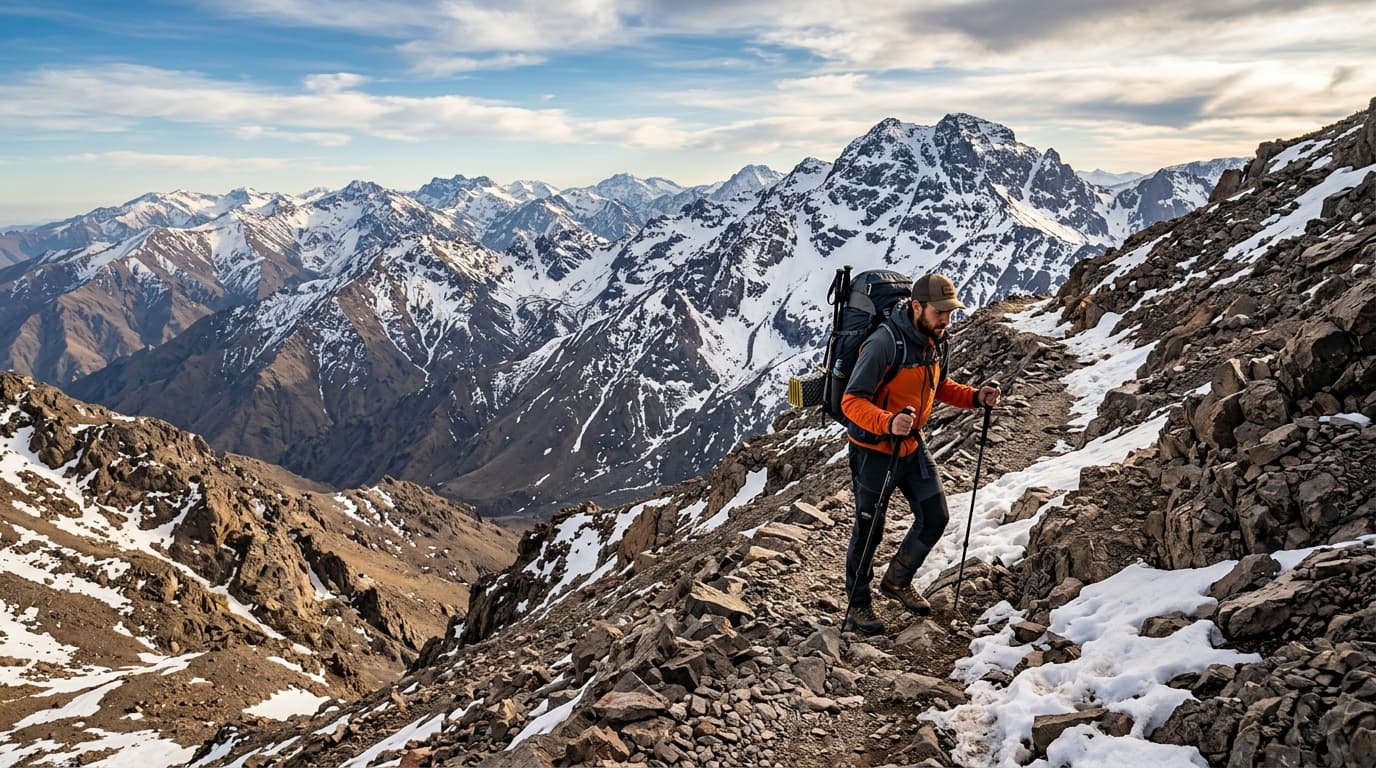
Jebel Toubkal at 4,167 metres is the highest peak in North Africa and, in good conditions, a non-technical climb accessible to fit walkers with proper gear and acclimatisation. The base village of Imlil sits at 1,740m and takes 1.5 hours by grand taxi from Marrakech. In a single week, you can summit Toubkal, walk into the Ourika Valley to visit a Berber saffron cooperative, and reach the Oukaimeden plateau where Bronze Age rock carvings sit undisturbed above a ski resort. None of this requires specialist mountaineering experience — it requires reasonable fitness, the right clothing, and a willingness to go slowly at altitude.
Day-by-Day Itinerary
- Day 1 — Arrive Imlil (1,740m): grand taxi from Marrakech, 1.5hrs (shared 50 MAD per seat, private 250-300 MAD). Afternoon acclimatisation walk to the village of Armed, 40 minutes above Imlil, for views across the valley to the snowy ridgeline of the Toubkal massif. Overnight at Dar Imlil or similar gite (150-200 MAD per person).
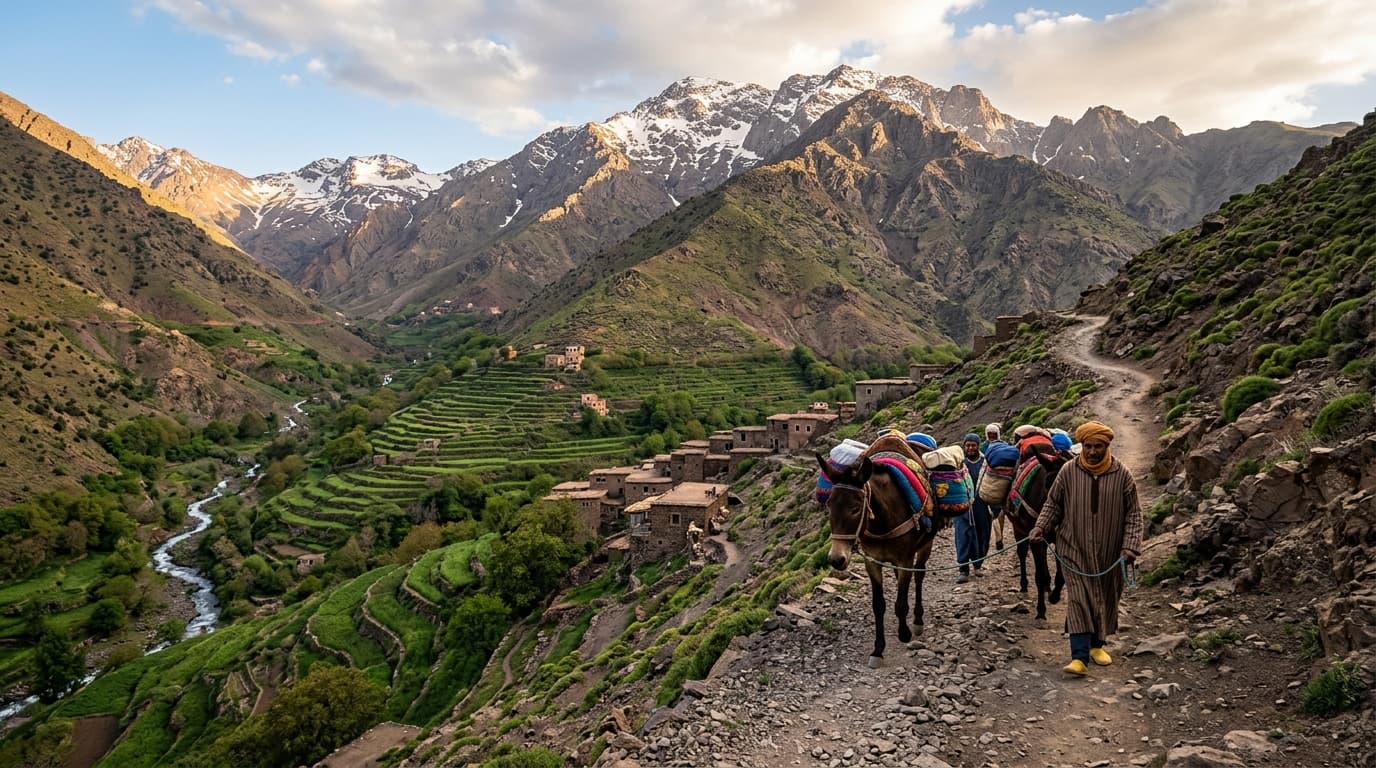
- Day 2 — Acclimatisation hike to Toubkal Refuge (3,207m): 4-5hrs up through the Mizane Valley. The CAF (Club Alpin Francais) refuge offers dormitory bunks at 120 MAD per person. A licensed mountain guide is legally required for the Toubkal route — budget 300-400 MAD per day. Book through your gite or through the guides' association office in Imlil.
- Day 3 — Summit Toubkal (4,167m): depart the refuge at 5:30-6am to reach the summit before noon cloud build-up. The ascent takes 3-4 hours on the standard south cirque route; descent 2.5 hours back to the refuge, then a further 4 hours to Imlil. Altitude sickness risk is real above 3,500m — the main symptoms are headache, nausea, and disrupted sleep at the refuge the previous night. Descend immediately if symptoms worsen.
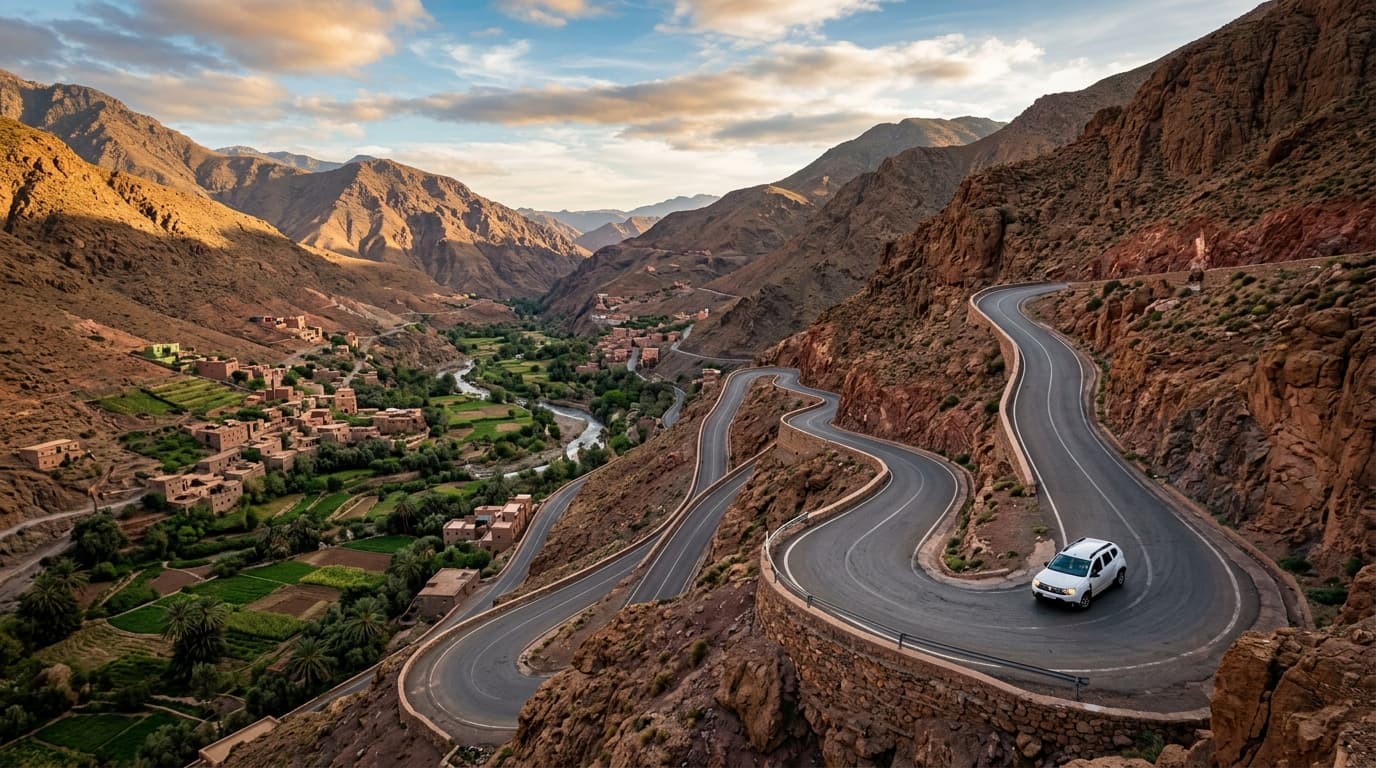
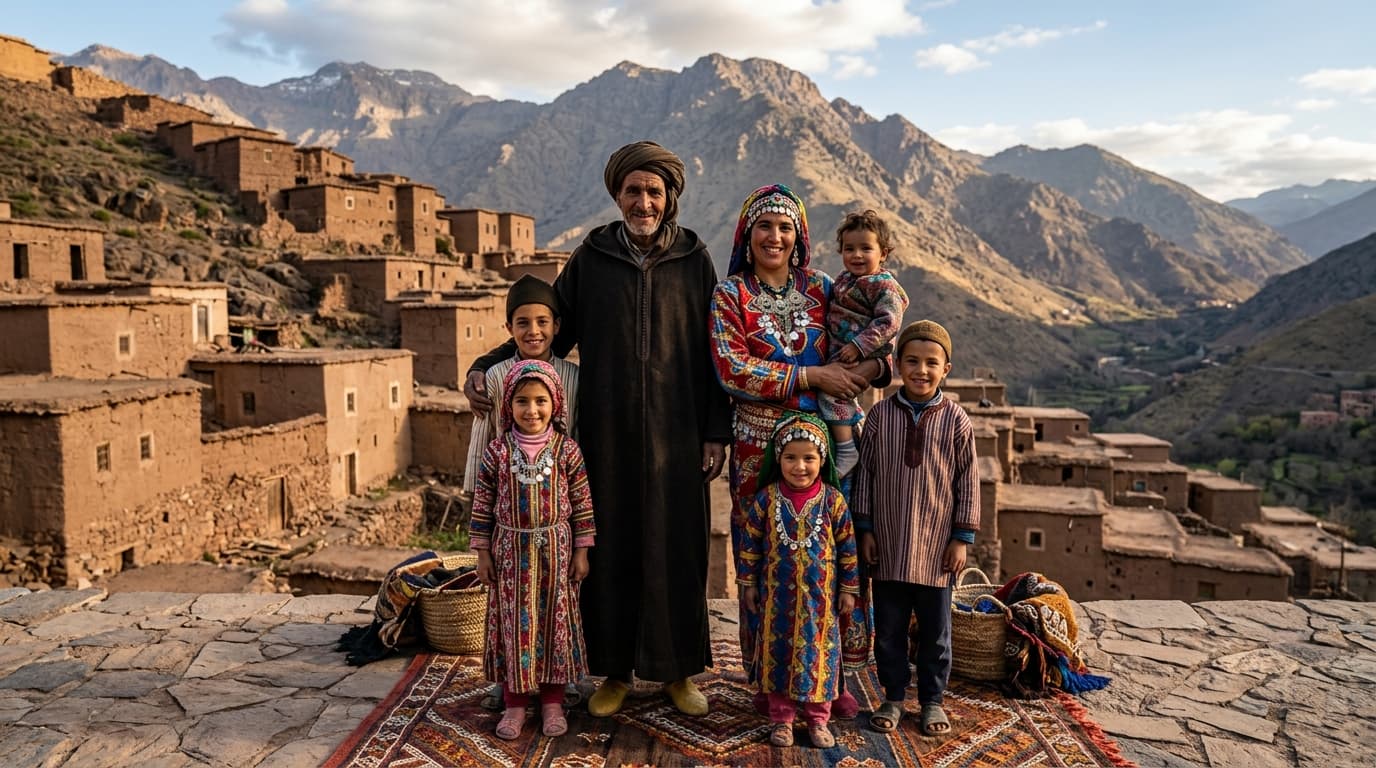
- Day 4 — Transfer to Ourika Valley: grand taxi from Imlil to Setti Fatma (1.5hrs, 200-250 MAD for the car). Visit the Berber saffron cooperative at Aït Benhaddou village in the valley — saffron from this region sells for around 25-35 MAD per gram. The Setti Fatma waterfalls (7 cascades, 1.5hr hike to the top waterfall) are best before midday.
- Day 5 — Oukaimeden plateau (2,650m): day trip by grand taxi from Ourika Valley (60km, about 40 MAD shared). The plateau is Morocco's main ski resort in winter; in summer it is a place of ibex, wildflowers, and near-silence. The Bronze Age rock carvings — depicting cattle, hunters, and geometric shapes — are found near the ski lift station; a local guide from the village will show you for 50-80 MAD.
- Day 6 — Return to Marrakech: grand taxi from Oukaimeden or Ourika, 1hr 20min (40-50 MAD per seat). Afternoon free in the city — the Jardin Secret near the medina is a calm alternative to Majorelle on a return afternoon. Optional: a 3-hour Moroccan cooking class in the evening (300-450 MAD per person, most riads can arrange).
- Day 7 — Depart Marrakech.
High Atlas Key Figures
4,167m
Summit altitude of Jebel Toubkal
300-400 MAD
Licensed mountain guide per day
120 MAD
CAF refuge dormitory per night
4,500-8,000 MAD
Total cost per person, mid-range week
1,740m
Elevation of Imlil village
The summit was hard. My legs were fine but the altitude hit me above 3,800m and every ten steps I had to stop. When we got to the top and I looked south towards the Sahara and north towards the coast I understood why people do this. Our guide had been up over 200 times and was still the first to point out the horizon.
Gear, Fitness, and the Right Season
Toubkal is climbable on a clear summer day in trail shoes, but is genuinely dangerous in winter without crampons and ice axe — snow covers the upper mountain from November to April and the standard route becomes an ice slope. The safest months are June to September for a first ascent. Even in summer, temperatures at the summit can drop below zero with wind chill. Pack a windproof layer, gloves, and a hat regardless of conditions in Marrakech. The rest of the week in the Ourika Valley and on the Oukaimeden plateau requires only solid walking boots and a day pack.
Acclimatise Before the Summit Push
Two nights at altitude before the summit attempt makes a measurable difference. Sleeping at the CAF refuge (3,207m) for one night before the push is the standard approach. If you arrive in Imlil and feel a headache by the afternoon of Day 1, add an extra rest day in the village before going higher — it is not a lost day.