 Trending
Coastal
Essaouira Coastal Escape — 2 Days
Essaouira, Morocco
2 DaysEasy
4.6(134 reviews)
$145/ per person

The Wind City
Essaouira occupies its own elegant category in the Moroccan imagination: a fortified Atlantic port city of whitewashed walls and blue-painted shutters, perched on a windswept headland where the Saharan trade winds meet the cold upwelling of the Atlantic Ocean. Its Portuguese-influenced ramparts, recognised as a UNESCO World Heritage Site, constitute one of the finest examples of European military architecture on the African continent — a reminder that Essaouira was, for centuries, Morocco's most important Atlantic port and the terminus of the great trans-Saharan gold and salt routes.
The medina of Essaouira is compact, manageable and dramatically different in atmosphere from the imperial cities of the interior. The streets are straight and wind-scoured, lined with blue-shuttered whitewashed houses and galleries selling the work of the city's thriving contemporary art scene. Essaouira has been an artists' colony since the 1960s and 70s, when Jimi Hendrix, Cat Stevens and Frank Zappa all made famous visits; the tradition continues today in a dozen permanent galleries and studios. The gnawa music of Essaouira — descended from the spiritual healing traditions brought by West African enslaved peoples to Morocco — is one of the most distinctive and deeply affecting musical forms in Africa.
The port itself is a working fishing harbour whose vessels return each morning with the day's catch of sardines, sea bass and calamari. The fish market beside the ramparts and the row of grill restaurants that follows offer some of the best and most honest seafood in the country. Eating grilled sardines on the ramparts with the Atlantic wind in your face is a Moroccan experience that has nothing to do with the desert or the souks — and is all the more valuable for it.
The beaches north and south of the city stretch for kilometres along an extraordinary arc of Atlantic coast. The constant trade winds make Essaouira one of the world's great windsurfing and kitesurfing destinations.
Summer Temp
22°C
Winter Temp
14°C
Airport
Essaouira Mogador Airport (ESU)
Languages
Arabic, French, Tamazight
Currency
Moroccan Dirham (MAD)
Timezone
GMT+1 (WET/WEST)
Best Time to Visit
The experiences and landmarks that define Essaouira as a destination.
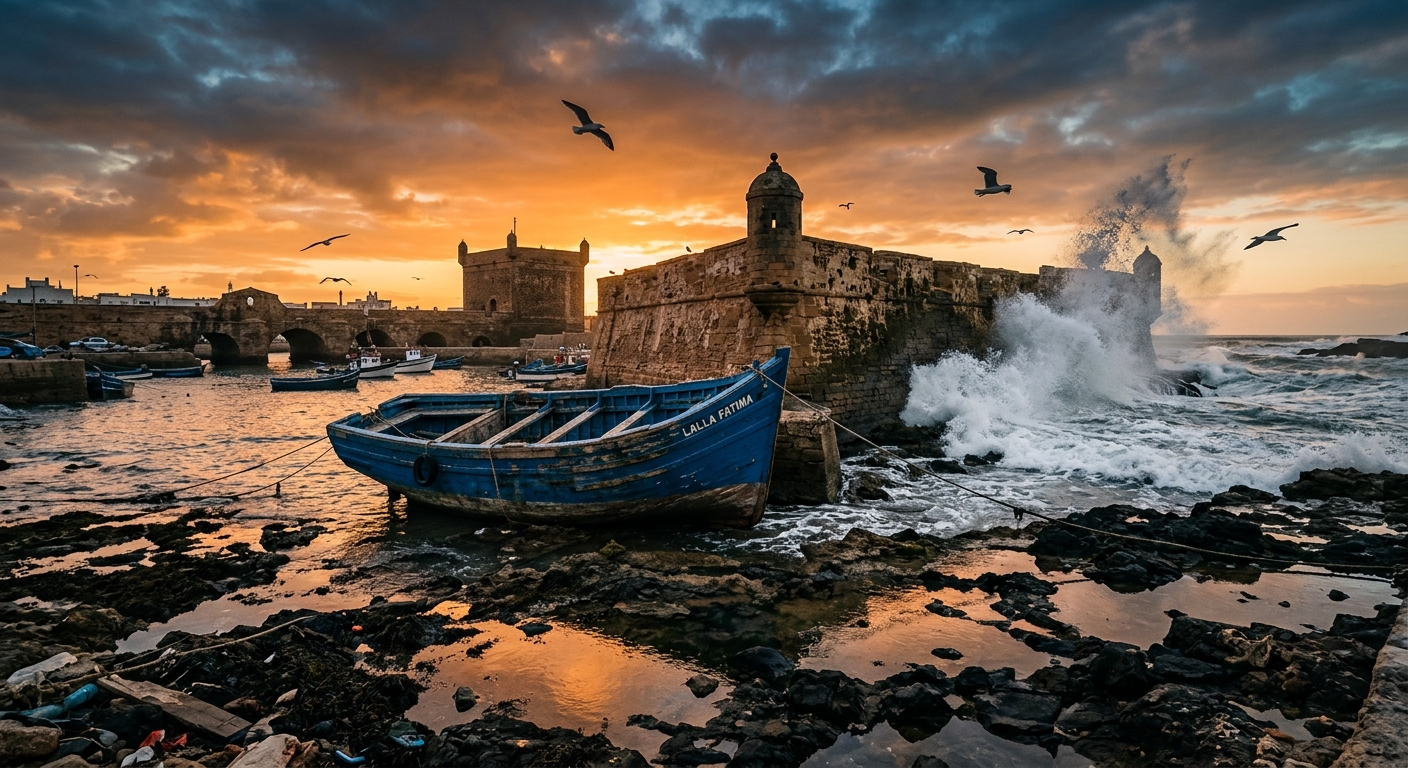
The eighteenth-century Atlantic sea ramparts of Essaouira, bristling with bronze cannons and offering sweeping ocean views, are one of the finest examples of Portuguese-influenced military architecture in Africa.
Choose your fish directly from the morning catch at the harbour market and have it grilled on the spot at one of the port-side restaurants — the freshest seafood in Morocco.
The hypnotic, bass-heavy spiritual music of the Gnawa people — descended from sub-Saharan African traditions — is Essaouira's greatest cultural gift, heard nightly in medina courtyards.
The consistent Atlantic trade winds that gave Essaouira its nickname make this one of the world's premier windsurfing and kitesurfing destinations, with a thriving community of international schools.
Essaouira's long tradition as an artists' colony has produced one of Morocco's most vibrant gallery scenes, alongside master craftsmen producing marquetry and thuya wood objects unique to the region.
The UNESCO-protected argan forest south of Essaouira shelters the famous tree-climbing goats of Morocco's Souss region — an improbable sight that produces the world's most prized beauty oil.
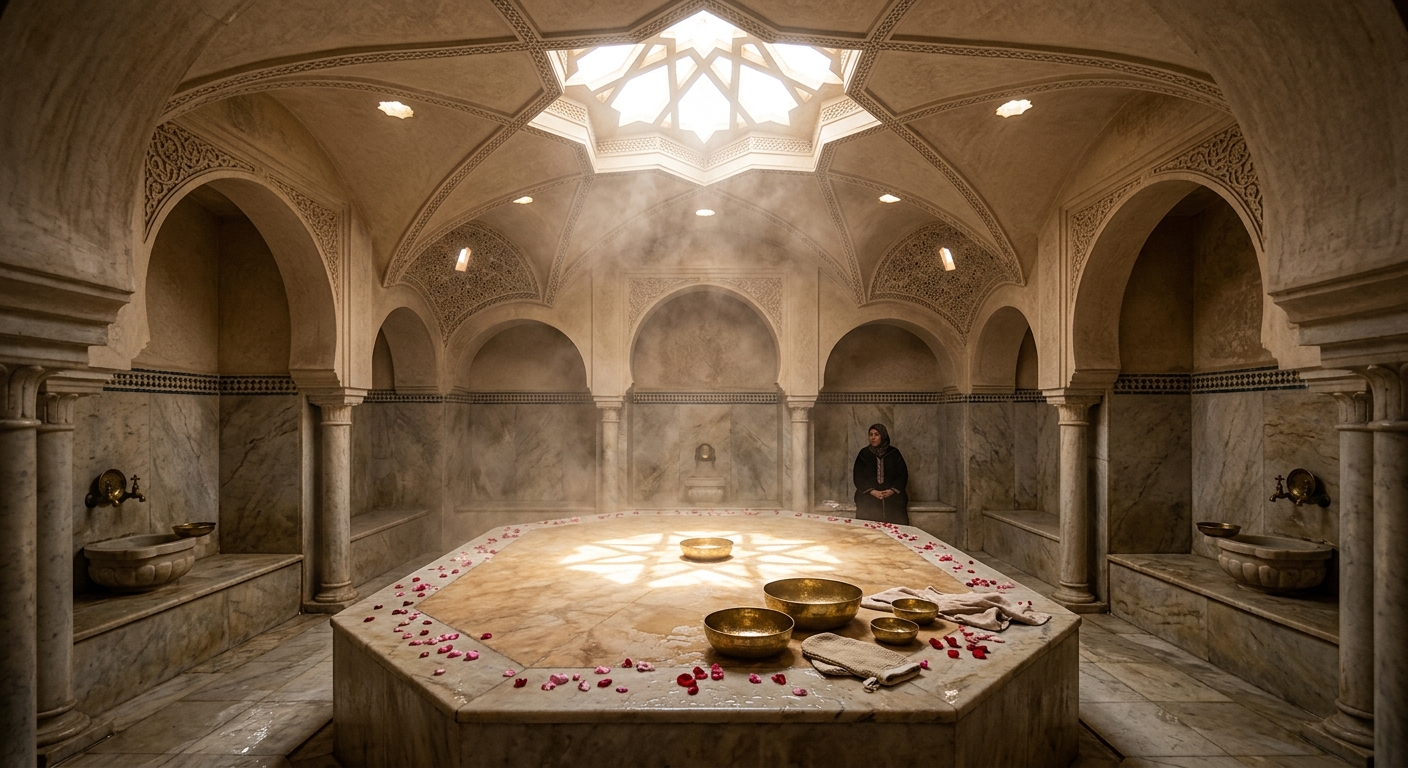
A full-day exploration of the medina, ramparts, port and argan forest with a local guide, including lunch at a port-side seafood grill and a visit to a women-run argan cooperative.
Learn the basics of windsurfing on the consistent Atlantic swells south of the medina with a qualified international instructor — all equipment provided, beginners very welcome.
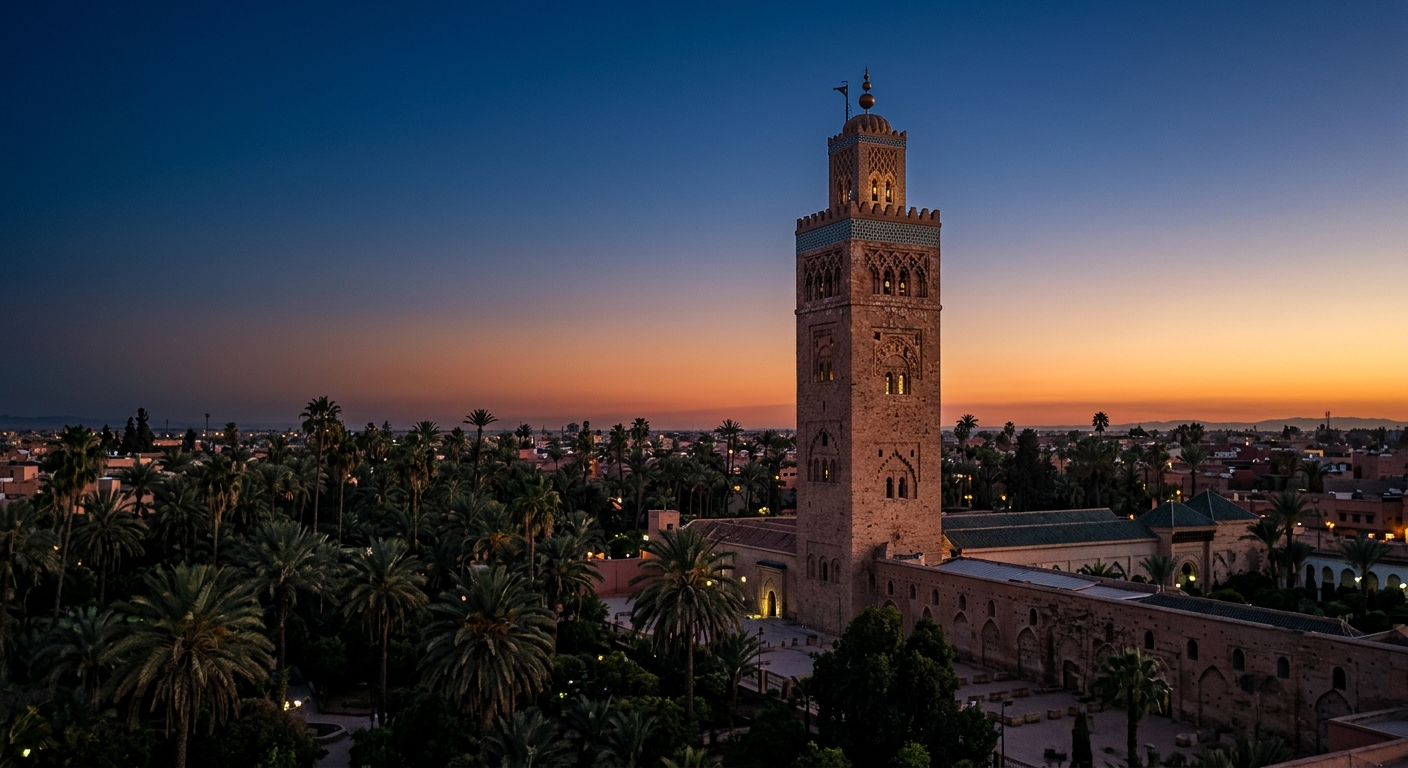
An evening tour of Essaouira's cultural heart — the craftsmen's quarter, a sunset walk on the ramparts and a private concert of Gnawa music in a medina courtyard.
A two-day tour combining the beach resort of Agadir with the historic charm of Essaouira — a complete portrait of Morocco's Atlantic coast from the palm-lined promenade to the wind-scoured ramparts.
TrendingEssaouira, Morocco
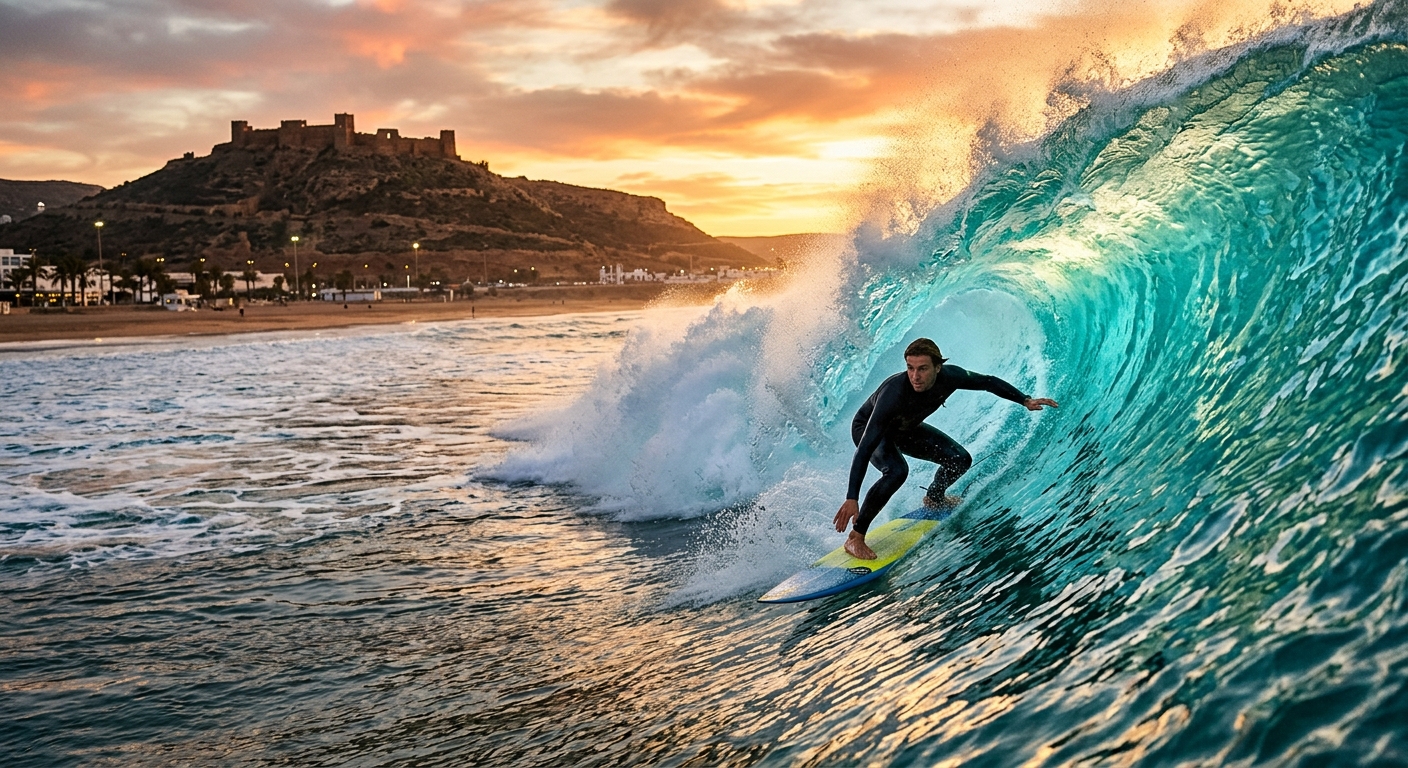 Beach Bliss
Agadir, Morocco
The wind in Essaouira is a genuine feature of everyday life — bring a windproof jacket regardless of the season, as the Atlantic gusts can be cold even in July.
The best gnawa music is heard spontaneously in the medina rather than in the tourist restaurants — wander the lanes around Place Moulay Hassan on weekend evenings.
Essaouira's thuya wood marquetry is unique to the region — the fragrant burl wood is worked into exquisite boxes, frames and furniture that make genuinely exceptional souvenirs.
Book port-side grill tables for lunch rather than dinner — the fish is freshest at midday when the morning catch is being served, and sunset at the ramparts is better enjoyed on foot.
The beach south of the city is the best for walking; the beach north is sandier and better for swimming when the wind drops.
The argan cooperatives on the road to Agadir sell genuine cold-pressed argan oil at roughly half the price of the medina shops — worth the short detour.
Essaouira Mogador Airport (ESU) receives a limited number of direct charter and seasonal flights from Europe; for most visitors, Marrakech Menara Airport (RAK) is the more practical entry point. From Marrakech, Essaouira is 2.5-3 hours by road; private transfers, Supratours buses and CTM coaches all make this journey several times daily. The Supratours bus is particularly convenient as it connects directly from Marrakech railway station. Agadir airport is roughly 2.5 hours to the south.
Nearest Airport
Essaouira Mogador Airport (ESU)
Your Adventure Awaits
Our Morocco specialists will craft the perfect itinerary for your timeframe and budget.


